Model training techniques
 Instruction and application
 Complete
As AI processes have been developed, the landscape of training methodologies has expanded dramatically. Traditionally, we would train models from scratch on task-specific datasets; with AI, we now have a sophisticated toolkit of approaches, each with distinct advantages for different use cases.
The training process is often iterative and cyclical, requiring continuous refinement so our models reach peak performance. Let’s explore these processes and understand when is the best time to use them.
Model training and methodology spectrum
Like any construction project, there needs to be a philosophy behind your methodology: what is it that you want to achieve? What resources do you have available? How can you best utilise them?

When training a model to achieve an organisational goal, these considerations are important as they will guide the training process. Modern training methodologies can be categorised along several dimensions:
1. Data efficiency
Refers to how well a model can learn and achieve high performance with a limited amount of training data. Highly-efficient data methods include:
Transfer learning:
Leverages knowledge from a pre-trained model.
Few-shot learning:
Aims to perform well with only a very small number of labeled examples.
Data augmentation:
Artificially expands the training dataset by creating modified versions of existing points.
Active learning:
Strategically selects the most informative unlabeled data points for annotation.
2. Computation requirements
Describes the amount of computational resources (time, processing power, memory) needed.
Low requirements:
Simple linear models or small decision trees.
High requirements:
Deep neural networks with billions of parameters requiring HPC infrastructure (GPU/TPU).
3. Knowledge transfer
The ability to use knowledge learned from a source task to improve learning on a related target task.
No transfer:
Each model is trained from scratch independently.
Extensive transfer:
Relying heavily on pre-trained models (e.g., fine-tuning a Large Language Model).
4. Specialisation vs Generalisation
Describes the intended scope of the trained model.
Specialised:
Designed for a narrow domain (e.g., medical diagnosis from specific imaging).
Generalised:
Aim to perform across a broader range of tasks (e.g., LLMs).
Common training techniques
Now that we have established the spectrum, let’s look at common training techniques.

Key point
Understanding these techniques enables us to select and apply the most appropriate methods to optimise learning and prevent issues like overfitting.
Advanced training techniques
Due to the rise in ML and AI capabilities, we have seen a host of new advanced training methodologies.
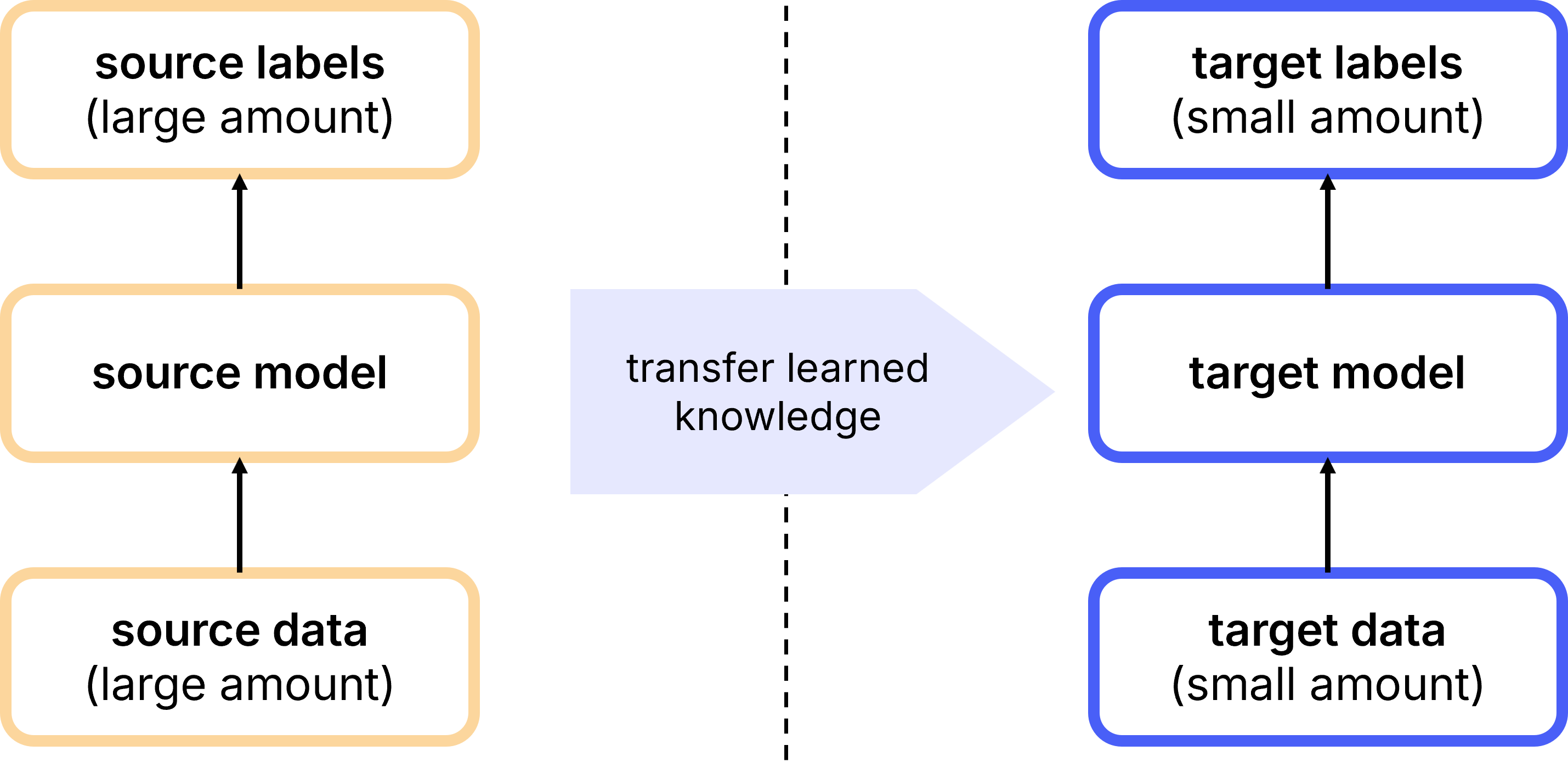
Transfer learning and fine-tuning
Involves leveraging knowledge from a pre-trained model on a source task to improve learning on a related target task.
Distributed and federated learning
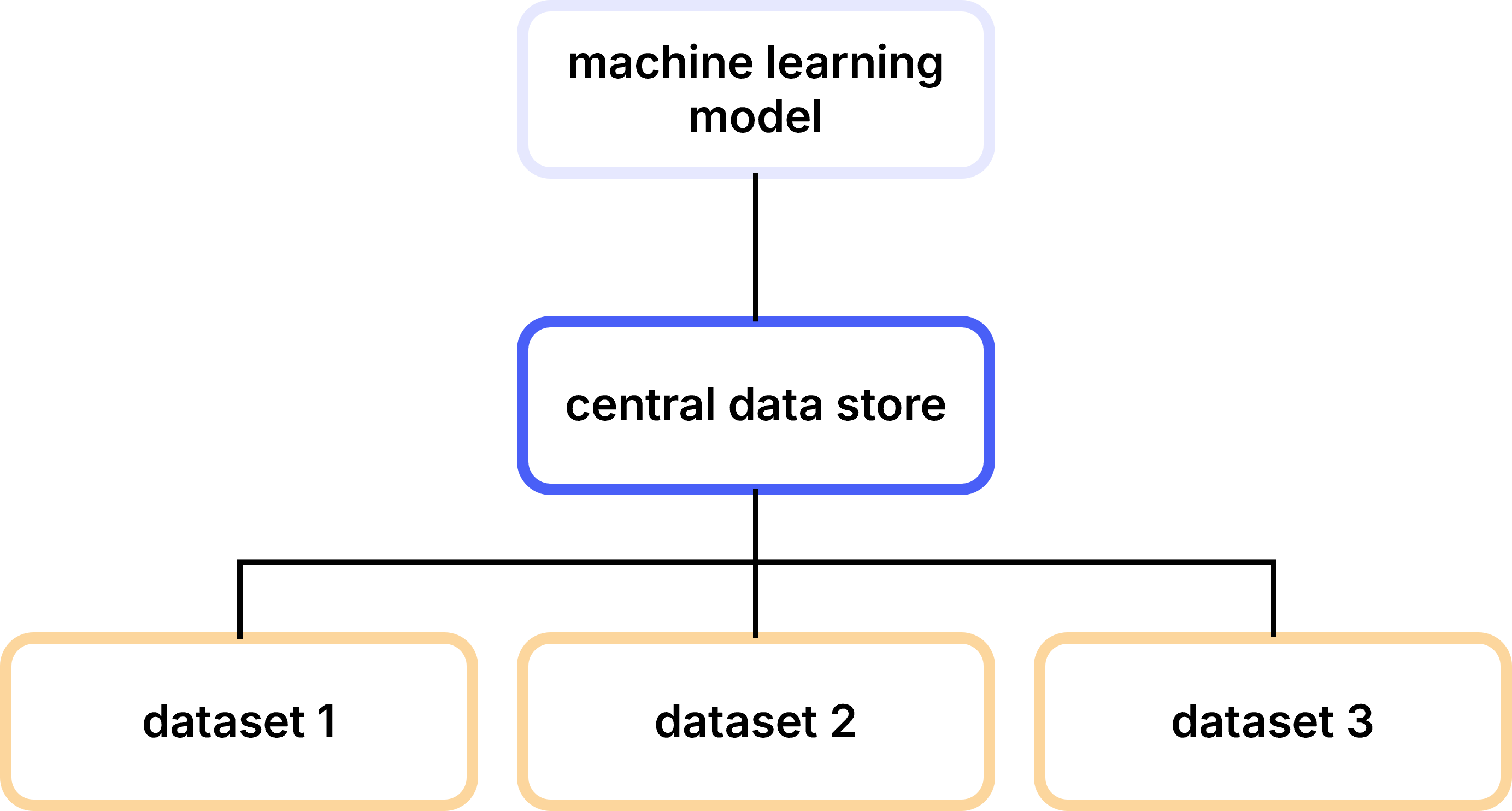
Distributed training splits the workload across multiple machines to accelerate training.Federated learning is a collaborative approach where models are trained across decentralised devices while keeping data local.
Reinforcement Learning from Human Feedback (RLHF)
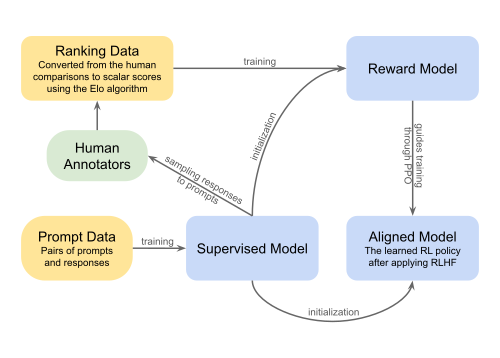
Used to align large language models with human preferences. It involves collecting human feedback on model outputs and training a reward model to optimise the language model.
Final thought
Researching these advanced techniques will expand your toolkit and enable you to tackle more complex problems, building more powerful and reliable AI systems.