Introduction
 Unit
Unit In Progress
Clear communication can make or break the success of any machine learning (ML) project.
Imagine this: You unveil a cutting-edge ML model and eagerly explain its architecture, F1-score and tuning process. The executives stare blankly, nod politely and move on without grasping its value. A week later, the project stalls. The lesson? Even the best model is useless if you can’t communicate it effectively to leadership.
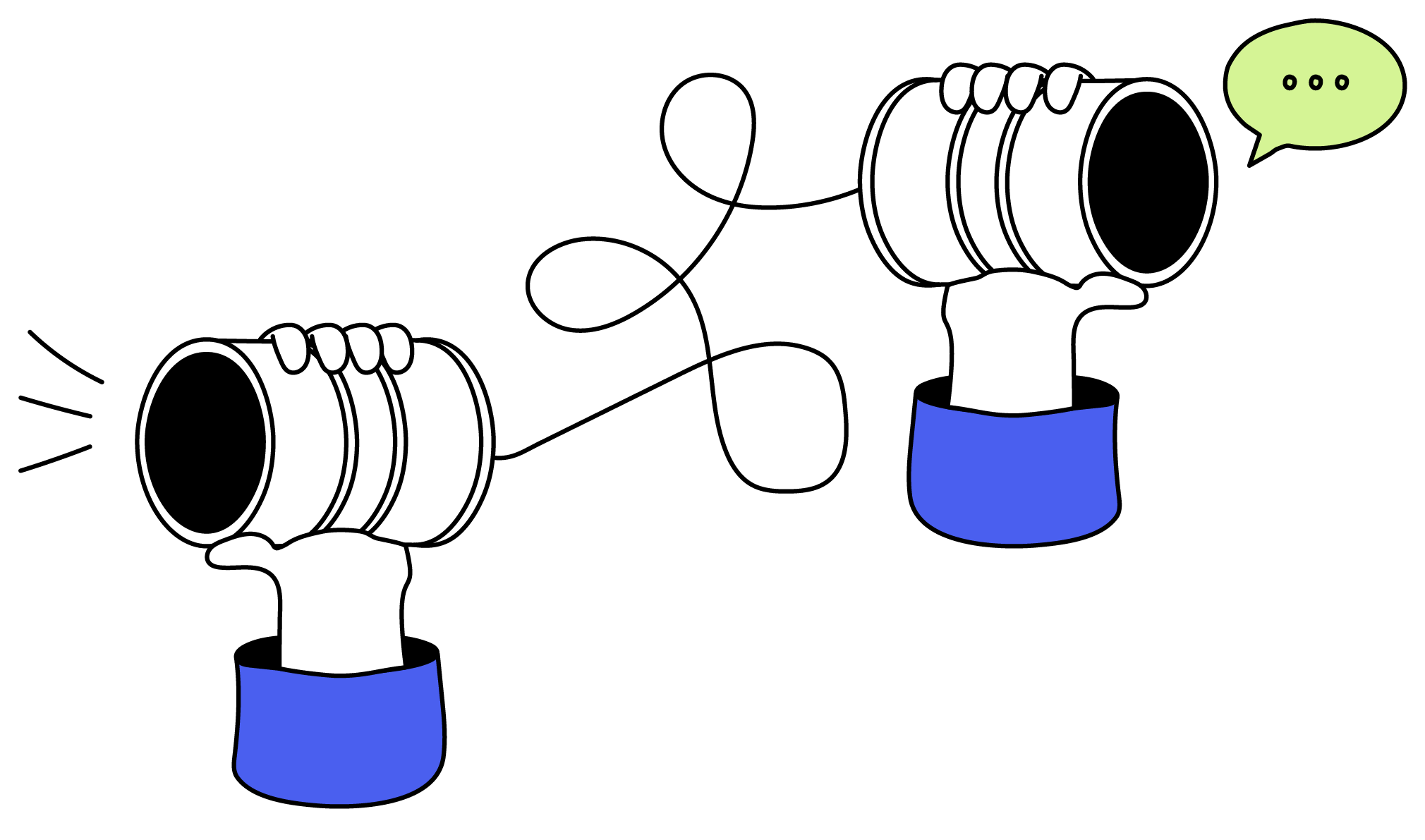

Why does this unit matter?
Effective communication is a critical skill for a modern ML professional. No matter how advanced your models are, they won’t make an impact if stakeholders don’t understand or trust them. Your ability to translate complex algorithms into clear, compelling narratives directly determines whether your work gets adopted, funded and integrated into real business solutions.
In this unit, you’ll learn how to move beyond technical jargon and speak the language of your audience. You’ll discover how to adapt your style for executives, engineers and cross-functional partners, transforming yourself from just a model builder into a trusted business leader.
Learning objectives
By the end of this unit, you will be able to:
- Analyse and adapt your communication style and techniques to effectively convey complex ML concepts to diverse audiences, including both technical and non-technical stakeholders.
- Coordinate and negotiate with multidisciplinary teams and suppliers by understanding their priorities, interests and timescales.
- Manage and align the expectations of various stakeholders to ensure a shared understanding and support for project goals.
- Evaluate and optimise communication strategies to enhance clarity, build trust and positively impact project outcomes.

Action item: Pause and reflect
Before diving into the unit, take a moment to reflect on your current practice.
Questions & Reflections
-
Have you ever struggled to explain a model’s results, such as accuracy, recall or feature importance, to non-technical stakeholders? What happened as a result?
-
How might improving your ability to communicate model performance, risks or business impact change the way leadership and other stakeholders value your work?