Advancements and breakthroughs in ML and AI
 Instruction and application
 Complete
New approaches to model design and training
ML models are evolving at an incredible pace, driven by new methodologies that improve their accuracy, efficiency and ability to handle complex tasks. These innovations are paving the way for the next generation of AI solutions.

Let’s explore some of the major advancements in model design and training.
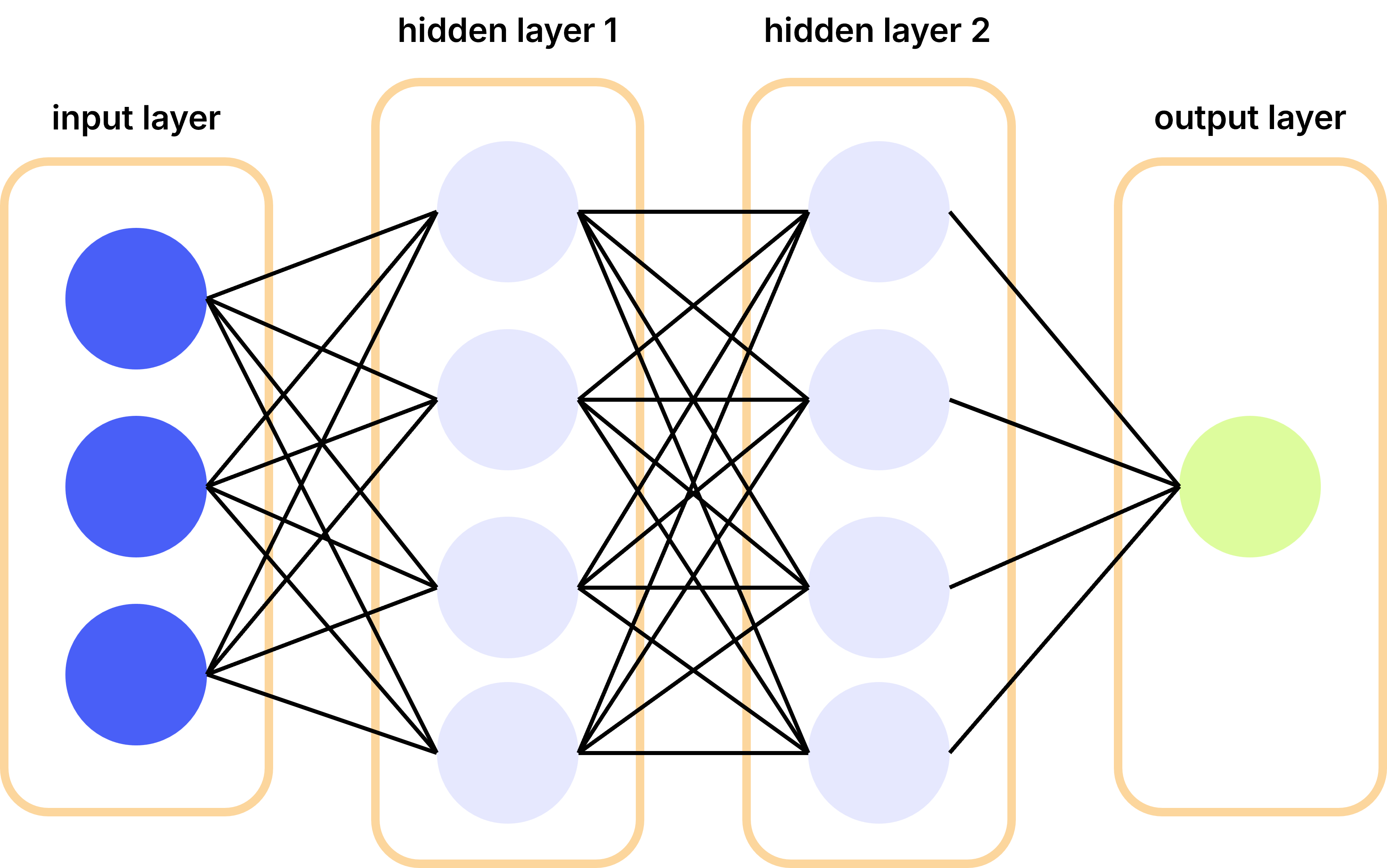
Deep learning
Deep learning, a subset of ML, uses neural networks with many layers to model complex patterns in large datasets. These models excel in tasks such as image and speech recognition and have been central to advancements in natural language processing (NLP). The success of deep learning has been facilitated by the availability of large datasets and the rise of powerful computational resources like GPUs.
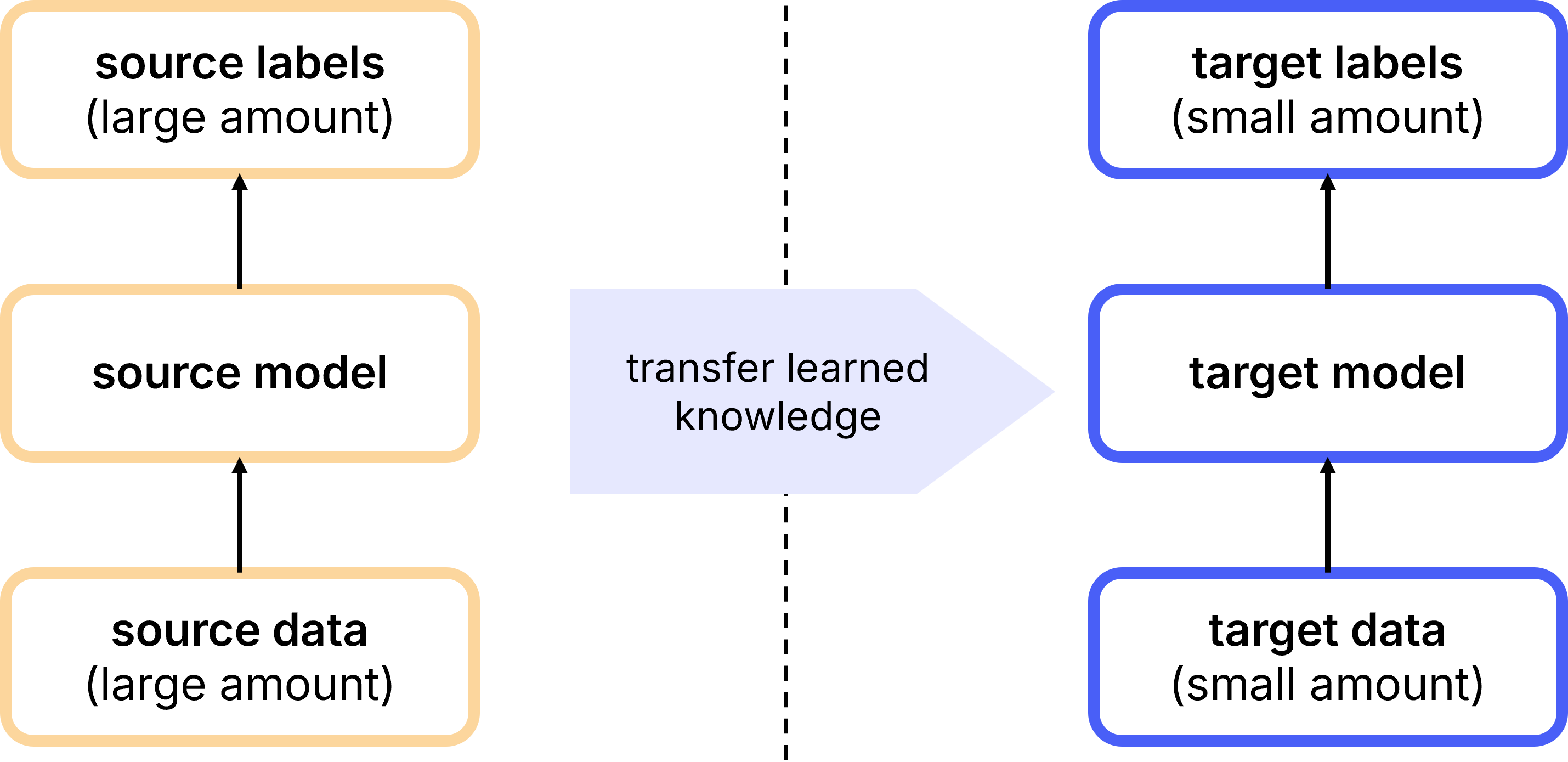
Transfer learning
Transfer learning allows models to apply knowledge learnt from one task to another, making it easier and faster to train models for new problems. By leveraging pre-trained models on large datasets, transfer learning reduces the need for extensive training data, making it highly useful in fields like medical image analysis where annotated data is scarce.
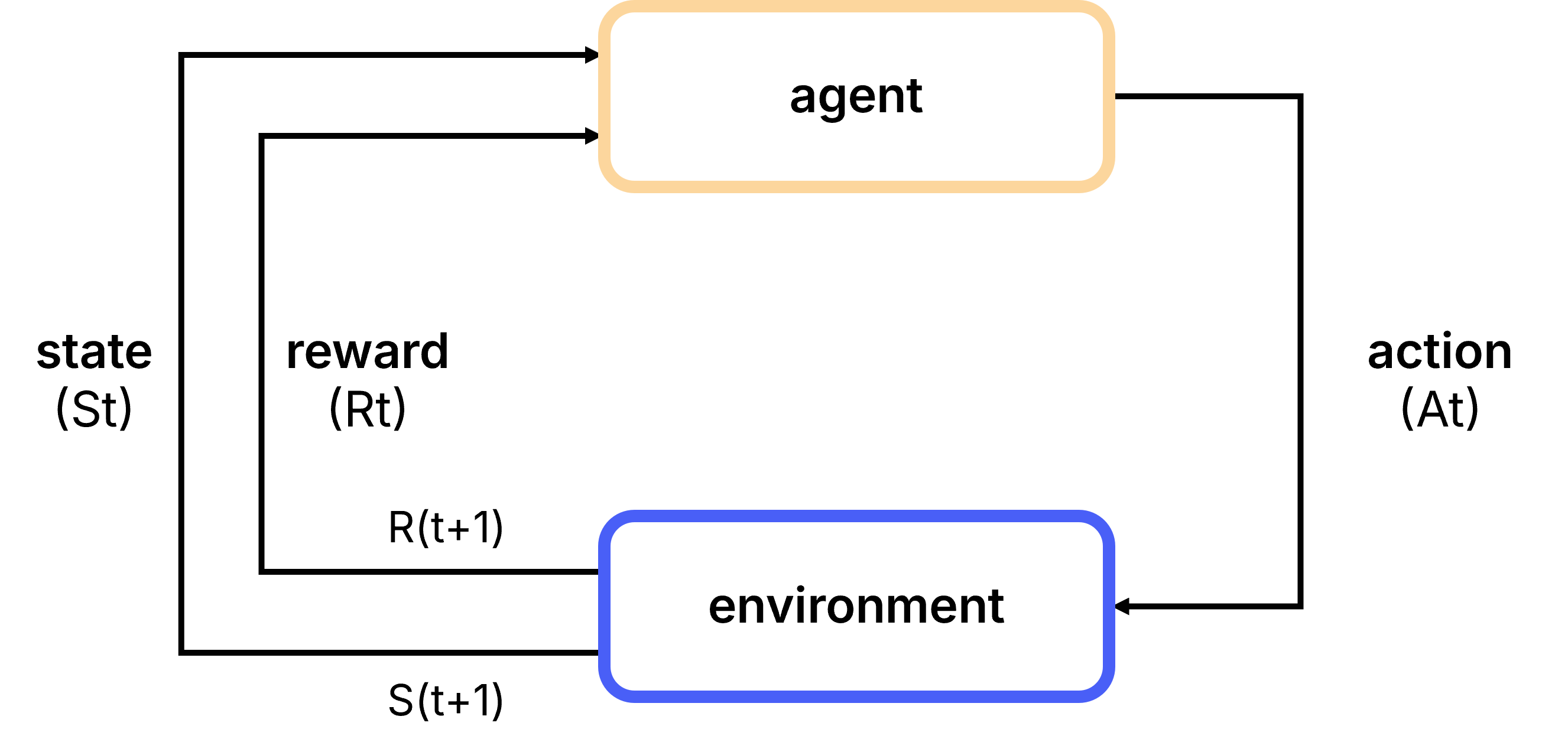
Reinforcement learning (RL)
Reinforcement learning is a training method where models learn by interacting with an environment and receiving feedback in the form of rewards or penalties. This approach has led to breakthroughs in areas like robotics and gaming, with notable successes such as AlphaGo, the AI developed by DeepMind to play the board game Go.
Federated learning
Federated learning is a distributed approach to training models where data remains on local devices (like smartphones) and only model updates are shared. This approach ensures data privacy and security, making it particularly useful for applications like predictive text and health data analysis.

These new techniques enable AI systems to tackle increasingly complex problems, improve their performance over time and adapt to new challenges more effectively.
Advancements in AI reasoning and decision-making
AI’s ability to reason and make decisions is another area where significant progress has been made. AI models are getting better at not only identifying patterns but also understanding the context of these patterns, allowing them to make more nuanced and accurate decisions.
| Advancement | What it does | Use cases |
|---|---|---|
| Explainable AI (XAI) | Aims to make AI decision-making more transparent by allowing humans to understand how and why a model arrived at a particular decision. | Especially important in high-stakes industries likehealth care, where understanding rationale is critical for safety and trust. |
| Causal inference and reasoning | Focuses on understanding cause-and-effect relationships rather than just correlations. | Allows AI models to make informed decisions based on observed data and hypothetical scenarios (e.g. driving better treatments). |
| Autonomous decision-making | AI systems designed to make decisions without human intervention. | Self-driving cars, which combine sensor data, deep learning, and RL to navigate roads safely and efficiently. |

Tip
Staying ahead in ML and AI requires continuous learning. Follow leading researchers on ArXiv and Google Scholar, subscribe to newsletters like The Batch, and engage with communities on Reddit and LinkedIn. Experiment with new models on GitHub and participate in Kaggle competitions to reinforce practical skills.
Trends in AI ethics and sustainability
As AI continues to advance, its ethical implications are becoming more important.
- Fairness and bias mitigation: Advances focus on detecting and correcting biases to ensure equitable outcomes across demographics.
- AI for sustainability: Optimising energy usage in smart grids, monitoring climate change, and reducing manufacturing waste.
- Privacy and data protection: Techniques like differential privacy allow learning without exposing individual information.
- AI governance and regulation: Development of standards for transparency, accountability, and fairness by governments worldwide.

Action item: Pause and think
How do you think transfer learning could change the way AI models are developed in industries with limited data? In what ways could reinforcement learning be applied to healthcare or logistics?
Why is explainable AI (XAI) crucial for healthcare or finance? How might autonomous systems impact transportation or manufacturing?
In what ways can AI promote sustainability in your industry? What measures ensure fairness in AI-driven decisions like hiring or lending?